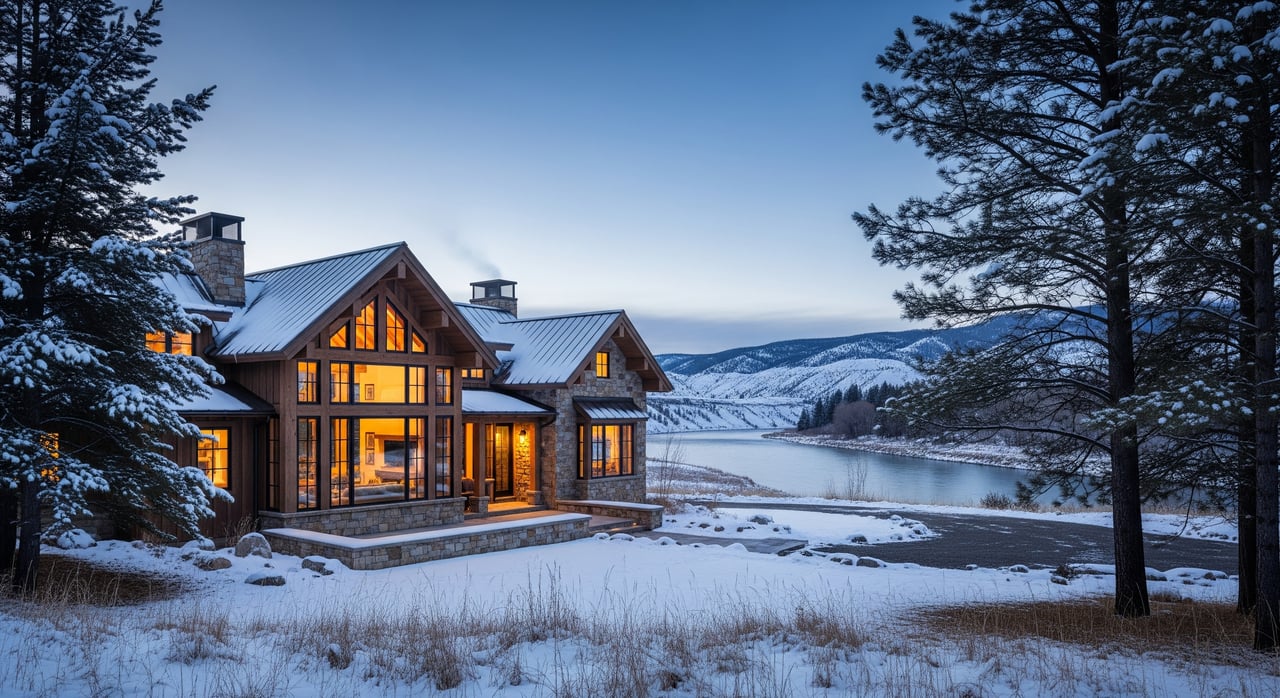
Snow on the Absarokas, a quiet Main Street, and a buyer pool that is smaller but more serious. If you are thinking about selling in Livingston this winter, you are not alone. You want to time it right, avoid hassles, and still get a strong result. In this guide, you will learn how winter affects the Park County market, the pros and cons of listing now, and a step-by-step plan to prepare your home for showings, inspections, and closing. Let’s dive in.
What winter means in Livingston
Across the country, inventory usually drops in late fall and winter. Fewer homes hit the market between November and February, and open houses slow down. The buyers who stay active tend to be more motivated, which can shorten negotiations even if overall traffic is lighter.
In Livingston and Park County, these patterns often feel sharper. It is a smaller market influenced by Bozeman, Yellowstone access, and lifestyle demand. Winter buyers here include local job relocations, out-of-area second-home shoppers who prefer off-season visits, and people with hard timelines who value clear access and quick answers.
Weather matters more here than in many places. Snow, ice, and rural road conditions can shape what gets shown and how quickly deals move. When you prepare for those realities, you can stand out in a quieter season.
Pros and cons of listing now
Selling in winter is not automatically better or worse. It depends on your goals and the local snapshot of supply and demand.
Pros:
- Less competition. Fewer listings can help your home stand out, especially if inventory is tight.
- More serious buyers. Winter shoppers often have pressing reasons to move, which can lead to cleaner offers and faster timelines.
- Timing advantages. Listing now can set you up to close before spring or align with early-year relocations.
Cons:
- Lower overall traffic. You may see fewer total showings than you would in spring.
- Weather hurdles. Snow and ice can complicate showings, inspections, and access to rural properties.
- Seasonal limits on inspections. Some exterior or drainage items are harder to evaluate under snow and frozen ground.
The key is to assess current Park County inventory and recent comps, then decide if today’s conditions meet your timeline and price expectations.
Smart pricing and strategy
Pricing well in winter is about precision. In a small market, a single comparable sale can move your target number. Ask for a comparative market analysis that focuses on the last 3 to 6 months and accounts for current supply and seasonal shifts.
You can choose one of two approaches. You can price slightly aggressive to test the market and see if motivated buyers bite. Or you can price competitively to drive early interest and reduce days on market. Your choice should match your timing, your property’s appeal, and the level of competition you face.
Expect fewer total offers than peak season, but know that multiple offers still happen on well-prepared properties with strong value. Be ready to discuss concessions or credits for winter-related unknowns. A clear strategy up front helps you negotiate with confidence.
Winter-ready marketing and showings
Strong winter sales rely on great presentation and easy access. A focused plan makes all the difference.
Photography and online presentation
Hire a photographer who knows how to shoot in snow and low light. Ask for interior, exterior, and twilight images that show warmth and clarity. Add a virtual tour or floor plan so out-of-town buyers can evaluate your layout from a distance.
Make sure your listing description calls out the features that matter in winter. Buyers pay attention to insulation, window quality, heating systems, fireplaces, and roof condition.
Curb appeal and access
Keep your driveway and sidewalks cleared and salted before every showing. Remove plow piles that block views or parking, and keep the entry deck shoveled. Turn on exterior lights early in the afternoon so late-day showings feel safe and welcoming.
If the mailbox or address signage is hidden by snow, uncover it. Add clear instructions for finding the driveway or gate, especially after storms.
Interior staging for warmth
Set the thermostat to a comfortable temperature, tidy coats and boots, and place a boot tray near the door. Use warm, layered lighting and keep decor neutral. A few cozy touches are great, but avoid heavy seasonal decorations that distract from the home itself.
Highlight functional features that matter in Livingston winter. If you have a newer furnace, an upgraded wood stove, double-paned windows, or energy improvements, make that information easy to find.
Rural and mountain logistics
For mountain or acreage properties, confirm that access routes are plowed and that standard vehicles can reach the home. If a shared private road is involved, line up snow removal and communicate who maintains it.
If there is a gate code or seasonal access detail, share it with your agent and post clear showing instructions. Buyers appreciate hassle-free access, and it reduces last-minute cancellations.
Inspections, appraisals, and closing
Some inspections are harder in winter. Drainage issues, certain landscaping items, septic tests, or below-grade waterproofing can be limited by snow and frozen ground. A pre-listing inspection can help uncover items you can address now and document anything that must wait for spring.
Appraisers and lenders rely on comparable sales. In winter, comps may be older or drawn from peak months, which can affect appraised value. Work with your agent and lender to ensure appraisals reflect current conditions and recent local comps.
FHA or VA loans may require certain systems to be operational. Make sure heating functions correctly and access is safe for appraisers and inspectors. Plan for weather-related delays in moving and final walk-throughs, and build a little cushion into your timeline.
If tax timing is part of your decision, consult your tax professional for guidance on capital gains or year-end considerations. Every situation is different.
Quick winter listing checklist
- Clear and salt walkways and the driveway before every showing.
- Book a winter-savvy photographer and add a virtual tour or floor plan.
- Set a comfortable thermostat and stage for warmth and light.
- Document heating, insulation, and winterization steps; consider a pre-listing inspection.
- Confirm road access, plowing arrangements, and gate details; include them in your listing notes.
- Use focused marketing to reach motivated buyers and second-home shoppers.
How to decide
Your decision comes down to three things: current local data, your personal timing, and your readiness to prepare for winter showings.
- Local data. Ask for a Livingston and Park County snapshot that includes current inventory, recent comparable sales, and days on market. Seasonal conditions can change quickly here.
- Timing. If you want to close before spring or align with a job change, winter can work in your favor. If you can wait and want more buyer traffic, spring may bring more showings.
- Preparation. You will get better results if you commit to access, safety, and presentation. A clear snow plan and strong photos can make a big difference.
Next steps
Start with a customized comparative market analysis focused on winter comps. At the same time, line up photography, your snow and access plan, and a review of mechanical systems. Discuss pricing and likely negotiation points so you know what to expect from the first showing to the closing table.
If a rural or mountain property is involved, gather details on road maintenance, HOA or private road agreements, and any seasonal gates. Prepare a simple one-page handout for buyers that covers access, heating systems, and recent maintenance.
Ready to talk through the tradeoffs and build a winter-ready plan for your Livingston sale? Schedule your free consultation with AS Realty Montana. We will walk you through local data, a pricing strategy, and a tailored marketing plan that fits your goals.
FAQs
Will winter listing lower my sale price in Park County?
- Not necessarily. Fewer listings can reduce competition and support pricing, but buyer traffic is typically lower. Your result depends on current local inventory and recent comps.
Are there fewer Livingston buyers in winter?
- Usually yes, but the buyers who are active are often more motivated. Relocations and second-home shoppers with firm timelines are common in the off-season.
How do inspections work when the ground is frozen?
- Some exterior and drainage items are hard to evaluate. A pre-listing inspection helps surface issues early, and you can negotiate credits or spring timelines for weather-dependent repairs.
What should I highlight in a winter listing?
- Emphasize heating performance, insulation, windows, fireplace or stove functionality, roof condition, and reliable access. Provide clear details on plowing, gate codes, and any shared road agreements.
Can appraisals be tougher in winter?
- They can be. Appraisers rely on available comps, which may be older or from higher-activity months. Work with your agent and lender to select comps that reflect current market conditions.