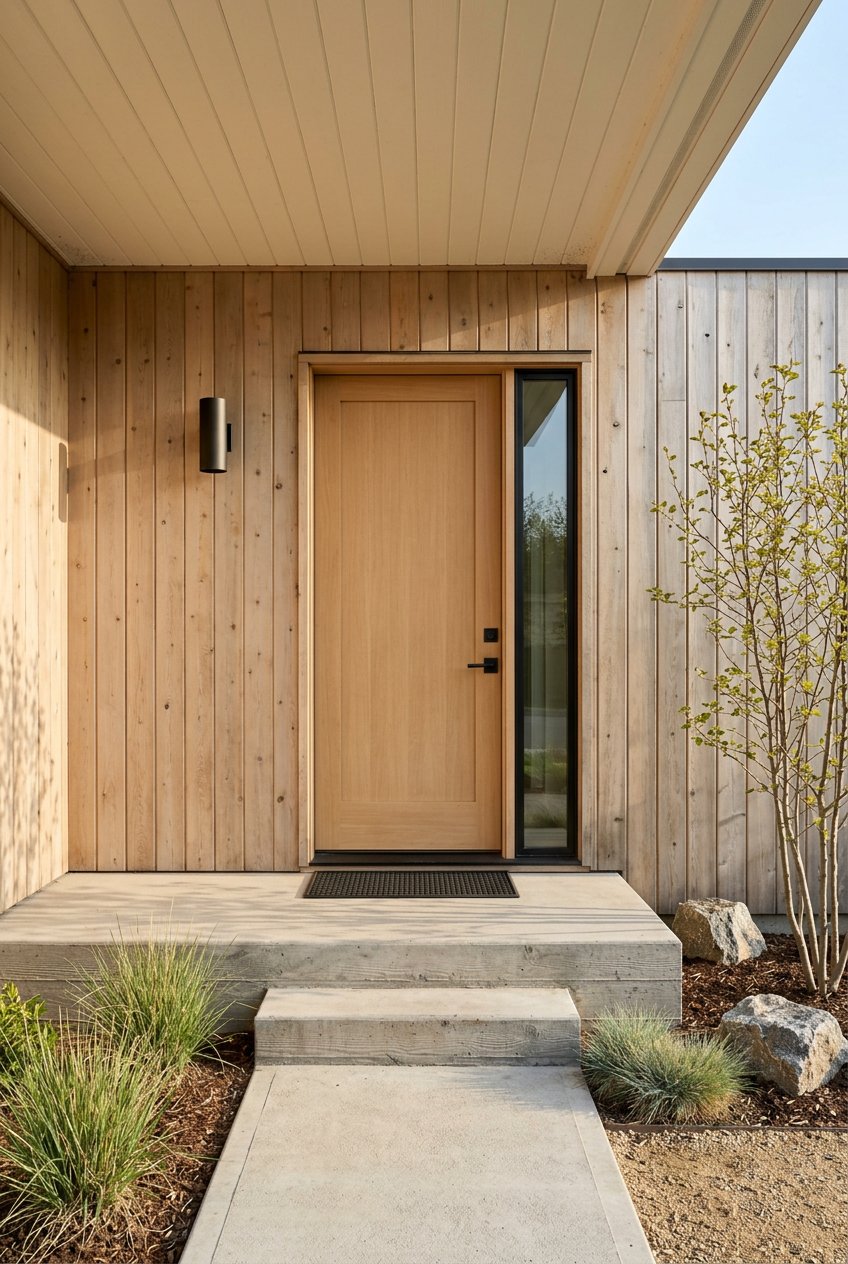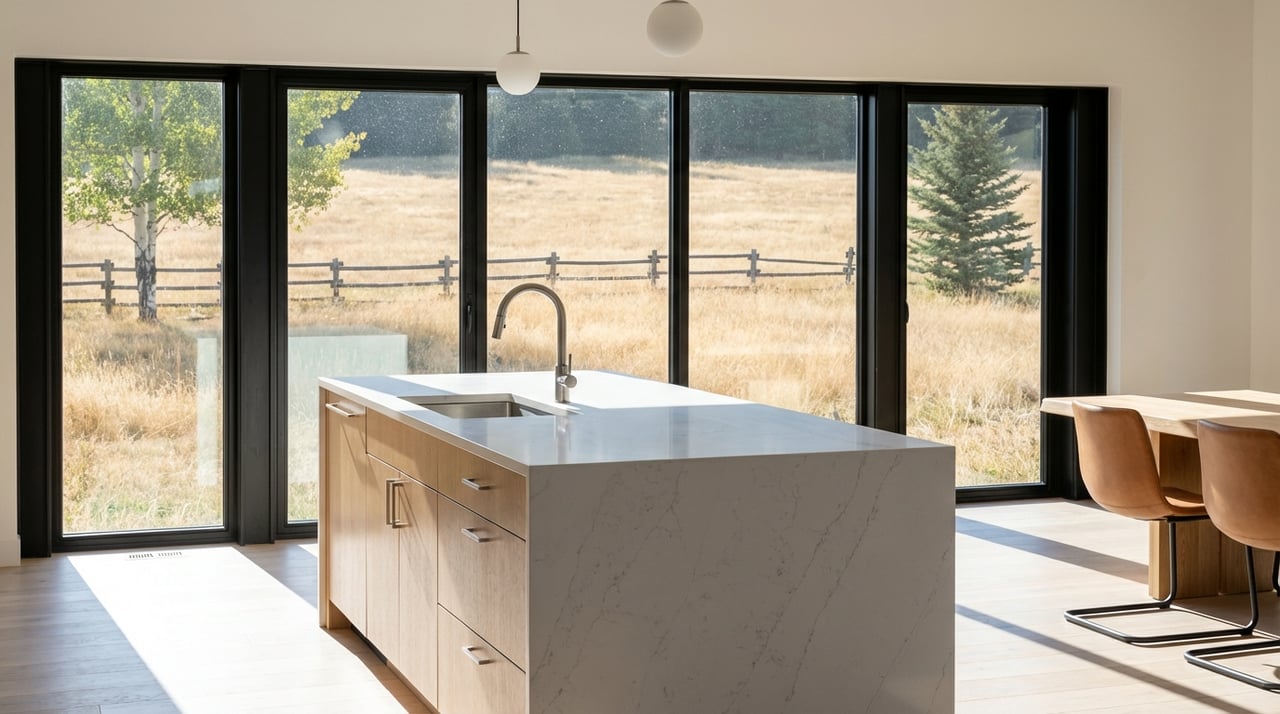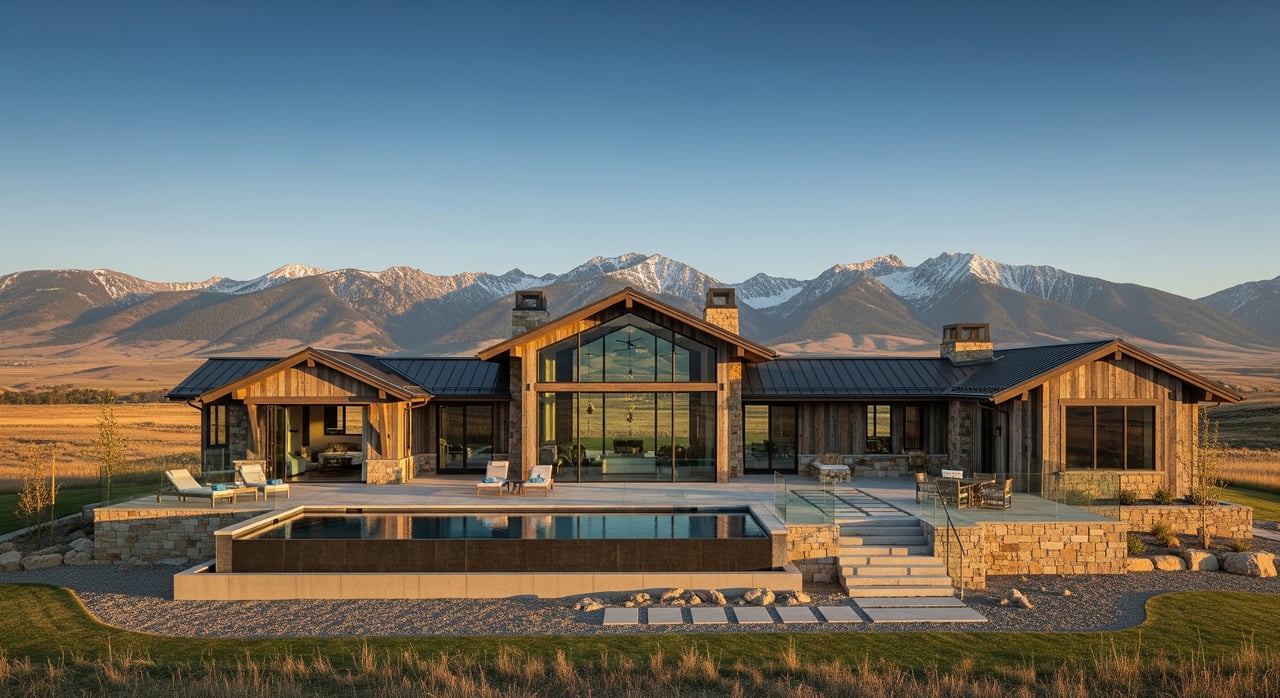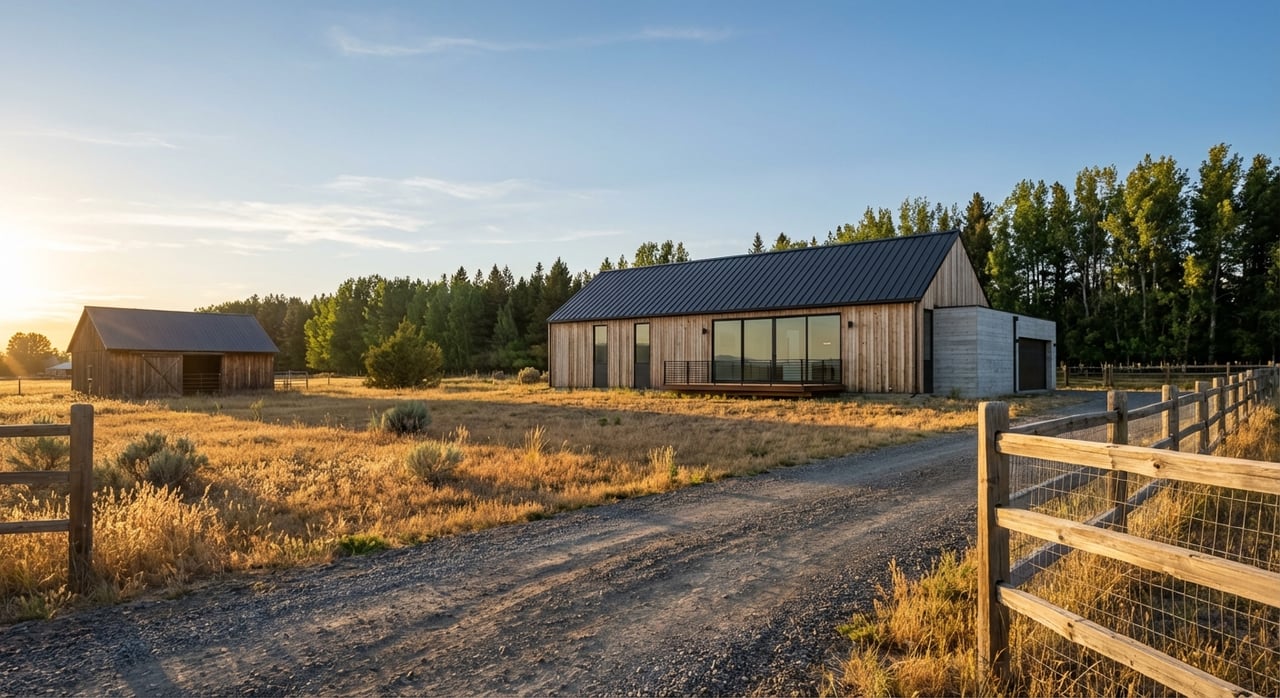
Ever picture waking up to big-sky views, room for a shop or small barn, and a quick drive to town when you need it? If you are exploring a few acres near Manhattan in the Gallatin Valley, you are in good company. This corner of Montana blends elbow room with access to work, schools, airport travel, and year-round recreation. In this guide, you will learn what small-acreage living really looks like near Manhattan, how utilities and permits work, and the due diligence that helps you buy with confidence. Let’s dive in.
Why small-acreage near Manhattan
You get space without feeling remote. Manhattan sits a short drive from Bozeman, and typical driving times run about 20 to 25 minutes depending on your exact location and route, which keeps commuting practical for many buyers. You are also within a quick trip of Bozeman Yellowstone International Airport, with some nearby neighborhoods estimating around 15 to 20 minutes to the terminal from parts of Manhattan. For many, that balance of country setting and convenience is the win.
The lifestyle draws are classic Gallatin Valley. You have open valley views, the Gallatin River corridor nearby, and easy access to fishing, trail time, and mountain day trips. Many small-acreage owners use part of their land for pasture, a garden, or a hobby barn and keep the rest open to capture sun and views.
- Reference for commute: check typical Manhattan to Bozeman drive times.
- For a sense of local travel to the airport and example lot scales in a nearby subdivision, see details on Manhattan Meadows.
- For an overview of local river recreation that shapes how people use land, explore the Gallatin River overview.
What parcels look like
Small-acreage options near Manhattan range widely. Inside town or close-in neighborhoods, you will see standard residential lots. In unincorporated areas, small rural parcels commonly run from about 2 to 20 acres, with both vacant land and improved properties on the market.
Common features include gravel access drives, perimeter fencing, and one or more outbuildings like a shop or hobby barn. Off municipal systems, plan for a private well and septic. Many parcels market their view orientation, privacy, and room for future improvements such as an arena or additional outbuilding. If you are shopping vacant ground, you will want to assess how the site handles basic infrastructure before you plan your build.
Water, wells, and water rights
In rural Gallatin County, most small-acreage homes use private wells. Montana treats small domestic groundwater developments as “exempt wells” when the flow rate is 35 gallons per minute or less and annual use is 10 acre‑feet or less. Historically, exempt wells followed a simpler path than full water permits.
A key update affects your planning. House Bill 681, effective January 1, 2026, requires that you file a Notice of Intent with the Montana Department of Natural Resources and Conservation before putting an exempt well into use. DNRC reviews and authorizes or denies within a short window, and the agency also explains how “combined appropriation” rules can apply when multiple wells draw from the same source. Your action step is straightforward: confirm that the parcel has the proper water right or certificate on record, and if an exempt well serves the property, verify that a Notice of Intent was filed and authorized as required.
Practical next steps:
- Use the DNRC resources on exempt well updates and process.
- Ask for well completion reports and any recent pump tests during due diligence.
- If neighboring parcels rely on small wells, ask DNRC about combined appropriation risk for your source aquifer.
Septic systems and wastewater
Most rural parcels will rely on onsite wastewater treatment. Permits for septic are handled through the Gallatin City-County Health Department’s Environmental Health division. Approval depends on soils, depth to groundwater, setbacks, and whether the lot or subdivision has been through the required sanitation review.
If you are buying a parcel without a current septic permit, plan for a site evaluation and coordination with county sanitarian staff. For existing homes, ask for records of the system’s design and installation, any past repairs, and pumping history. It is wise to budget for routine maintenance. The county and local water quality programs encourage regular pumping and private well testing to protect groundwater in the valley.
- Start with the county’s Environmental Health page for septic permits and private well guidance.
Power, internet, and other utilities
The primary electric utility for this area is NorthWestern Energy. If the building site sits a distance from the nearest line, extending service can be a meaningful cost item. Get location-specific estimates early so you can build a realistic budget.
Broadband options vary by parcel. Some addresses near town may have cable or fiber through local providers. In more rural pockets, satellite internet, including Starlink, is a practical high-speed option that many owners use. Always confirm availability at the exact address while you are evaluating sites.
- Contact NorthWestern Energy about service availability and extension costs.
- Check the Starlink address-level availability map during your search.
Access, roads, and winter realities
Access is both a legal and practical question. Confirm that the driveway and any private roads have recorded easements that run with the land. Ask whether you are on a county-maintained road or a private one, and who pays for maintenance and snow removal.
Winter adds a layer to plan for. Gallatin County publishes snow plow priorities, and seasonal limits like spring weight restrictions can affect deliveries, drilling, or heavy equipment access. Review access details before you close to avoid surprises when it matters most.
- Learn about county snow operations and maintenance on the Road and Bridge page for roads, snow, and seasonal restrictions.
Zoning, subdivision, and building permits
Zoning varies in unincorporated Gallatin County, and some areas are unzoned. Always verify the district for your parcel and review what is allowed, including accessory buildings, barns, and any guest structures. Subdivision rules and past platting can also affect what you can build and where you can place it.
If your acreage sits inside Manhattan town limits, different rules apply and municipal services may be available. Outside town, you will typically coordinate state electrical permits and county approvals for wells and septic before you build. The safest path is to confirm zoning, recorded plats, covenants, and any conditions of approval early in your process.
- Start with Gallatin County’s page on zoning regulations and maps.
Hazards, floodplain, and stewardship
Wildfire is a known regional hazard, and risk varies by site conditions like vegetation and topography. Gallatin County maintains a Hazard Mitigation and Community Wildfire Protection Plan and offers home risk assessments and mitigation guidance. Request an assessment if your acreage includes brushy areas or forest edges, and design landscaping with defensible space in mind.
Parcels near rivers and streams also have riparian setbacks and floodplain considerations. Building in a flood-prone area can affect permits and insurance, so include floodplain review in your due diligence. A proactive approach to site planning helps protect your home and water quality while keeping future options open.
- Review the county’s wildfire planning resources and home assessment programs on the Ready Gallatin update page.
Ownership rhythms and ongoing costs
Small-acreage living brings a few recurring tasks. Plan for septic pumping every few years based on system use and design, plus occasional repairs. Budget for road or driveway maintenance, especially if you share a private road. If you are extending power to a new build site, add that cost to your pro forma along with well drilling, septic installation, and broadband equipment.
Trash and bulky waste are easy to overlook. Confirm nearby transfer stations or hauling services and how often you plan to make runs. Good planning keeps monthly and seasonal costs predictable.
Buyer due diligence checklist
Use this sequence to move from high-level fit to site-ready confidence:
Zoning and recorded documents
- Pull the zoning district and review what is allowed for your use. Confirm recorded plats, covenants, and any conditions of approval or restrictions. Start with the county’s zoning regulations.
Water and wells
- Search DNRC records for water rights, groundwater certificates, or Notices of Intent for exempt wells. Confirm compliance with House Bill 681 requirements effective January 1, 2026, and ask about combined appropriation if multiple small wells draw from the same source. See DNRC guidance on exempt well updates.
Septic feasibility
- Request the county sanitarian’s file, any prior site evaluations, and an approved septic permit if it exists. If none, schedule a soils evaluation and confirm setbacks and system type with Environmental Health. Start with Environmental Health resources.
Access and road maintenance
- Verify legal access and easements. Ask if the road is county maintained or private, and how snow removal is handled. Check county information on roads and snow plans.
Electric power and communications
- Contact NorthWestern Energy for service availability and extension cost estimates. Verify broadband options at your exact address, including Starlink as a rural high-speed solution. Reference NorthWestern Energy and the Starlink availability map.
Hazards and insurance
- Request a wildfire risk assessment, review local hazard mapping, and get insurance quotes that reflect the parcel’s wildfire and wind profile. Explore county resources via the Ready Gallatin update.
Taxes and special assessments
- Pull the parcel’s tax history and current mill levy with the county treasurer. If the parcel is in town or a special district, confirm any additional assessments.
Is small-acreage living right for you
If you want open space, privacy, and room to create your own home base, small-acreage near Manhattan can be a great fit. The tradeoffs are mostly about self-reliance and planning. You will make a few more phone calls before you build and keep up with maintenance that city services might handle elsewhere. With the right due diligence, you can enjoy the views and quiet while staying connected to everything you need.
Ready to find the right acreage and move forward with confidence? Reach out to Amanda Shearman to talk through your goals, review site options, and map the steps from first look to closing. Schedule your free consultation and get a local plan that fits your timeline.
FAQs
How long is the commute from Manhattan to Bozeman
- Typical driving time is about 20 to 25 minutes depending on your exact location and route, which keeps commuting feasible for many buyers.
What should I know about Montana exempt wells and water rights
- Small domestic wells are limited on flow and annual use, and as of January 1, 2026 many new exempt wells require a Notice of Intent with DNRC before use, so verify records for your parcel.
Are septic permits hard to get on rural parcels near Manhattan
- Not usually, but permitability depends on site factors like soils, depth to groundwater, setbacks, and prior subdivision or sanitation review, so plan time for evaluation.
Will I have high-speed internet on a small-acreage parcel
- It depends on the address; near-town parcels may have cable or fiber, while many rural parcels rely on satellite options like Starlink, so always check availability at the property.
Who maintains roads and snow removal for rural properties
- Some roads are county maintained, while others are private with shared agreements; confirm maintenance responsibility, easements, and snow plans during due diligence.