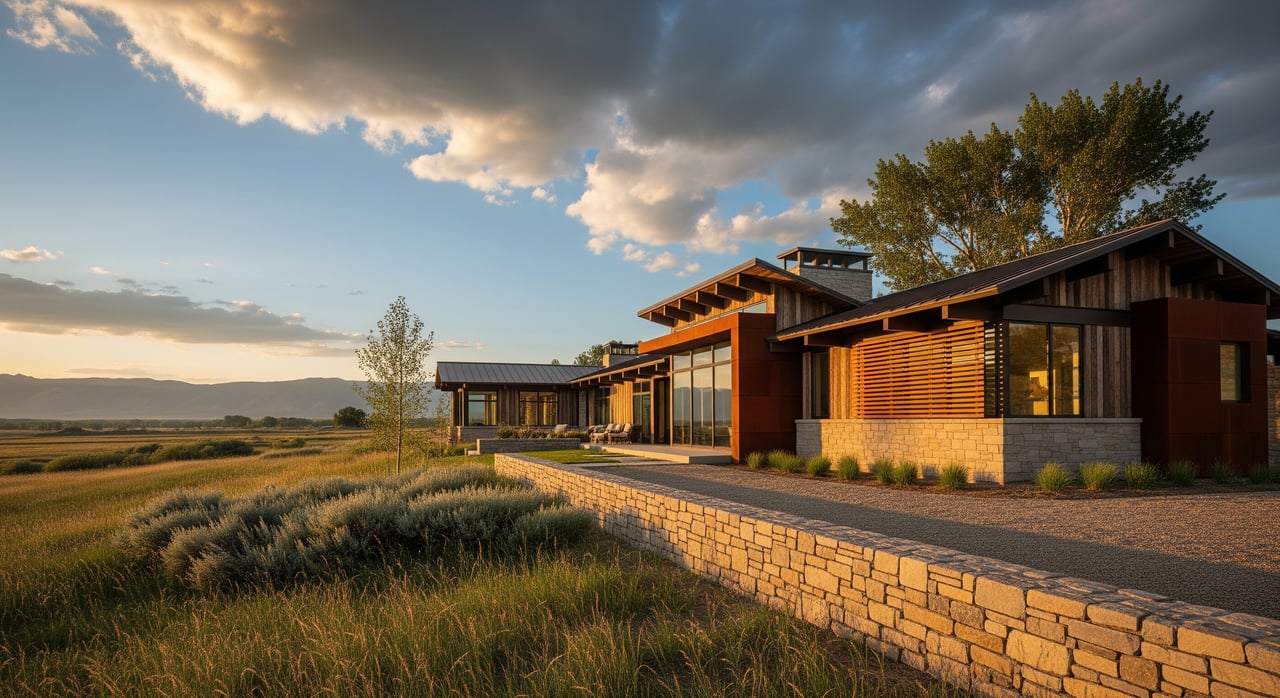
Heard that Livingston is windy and wondering what that really means for day-to-day life? You’re not alone. The views along the Yellowstone River corridor are incredible, but wind can shape how you choose a lot, use your patio, and care for your home. In this guide, you’ll learn why Livingston gets wind, where it feels strongest, what to look for in a property, and how to make outdoor spaces comfortable year-round. Let’s dive in.
Why Livingston gets wind
Livingston sits at the north end of Paradise Valley, where the Yellowstone River exits a narrow corridor between the Absaroka and Gallatin ranges. That valley shape channels airflow, which can amplify wind speeds along the river and create localized corridors.
Regional patterns add to it. Montana is under the mid-latitude westerlies, so strong west and southwest events are common, including downslope winds known as Chinooks. Spring and fall tend to be the windiest seasons, with winter episodes possible during warming events.
Microclimates matter. Low-lying river flats and exposed ridgelines are generally windier than sheltered side slopes, pockets behind ridges, or areas downwind of established tree belts. Downtown and denser neighborhoods often see more turbulence but lower sustained speeds than open rural sites on the valley floor.
How wind shapes your neighborhood choice
Topography to favor
- Look for the leeward side of ridges or hills, tucked behind landforms that face the prevailing west and southwest winds.
- Lots protected by continuous tree belts or existing shelterbelts can feel calmer.
- Surrounding structures can help. A home positioned behind other buildings can experience noticeably less wind.
Urban vs. rural tradeoffs
- Downtown Livingston and more developed neighborhoods often feel calmer because buildings and mature trees break the wind.
- Open rural parcels on the valley floor or exposed benches usually see more wind. If you want the big views, weigh that premium against year-round comfort and maintenance.
Siting features that help daily life
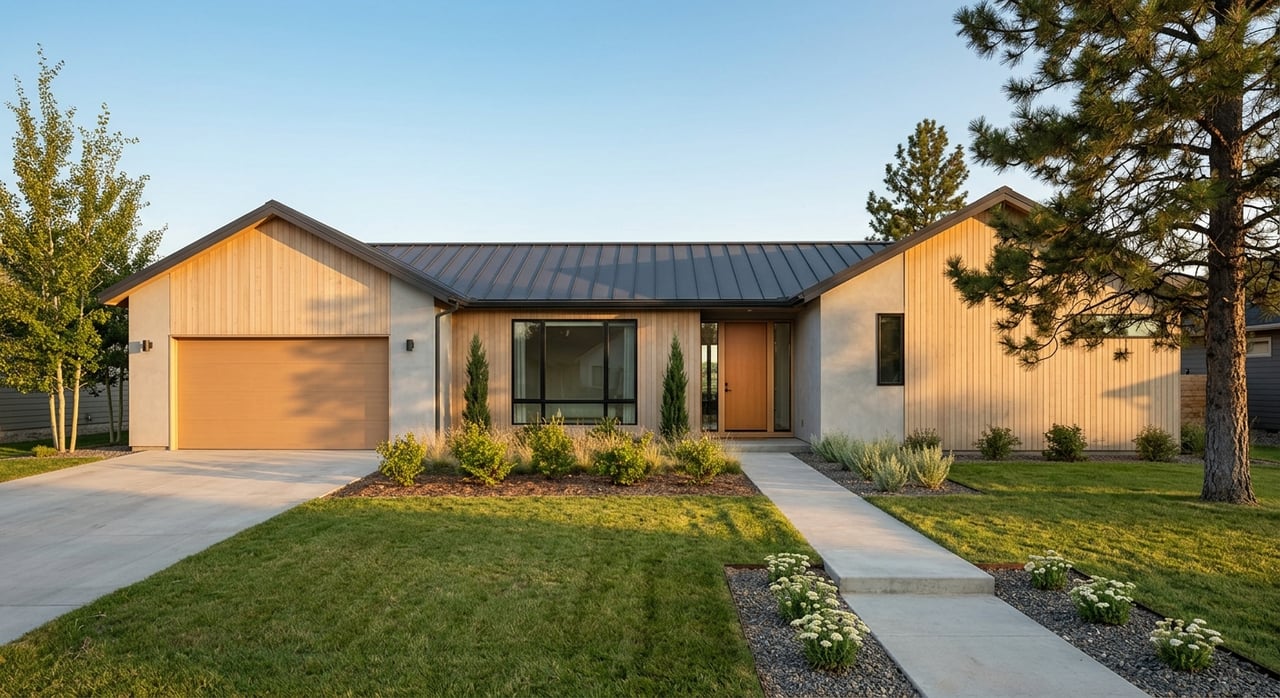
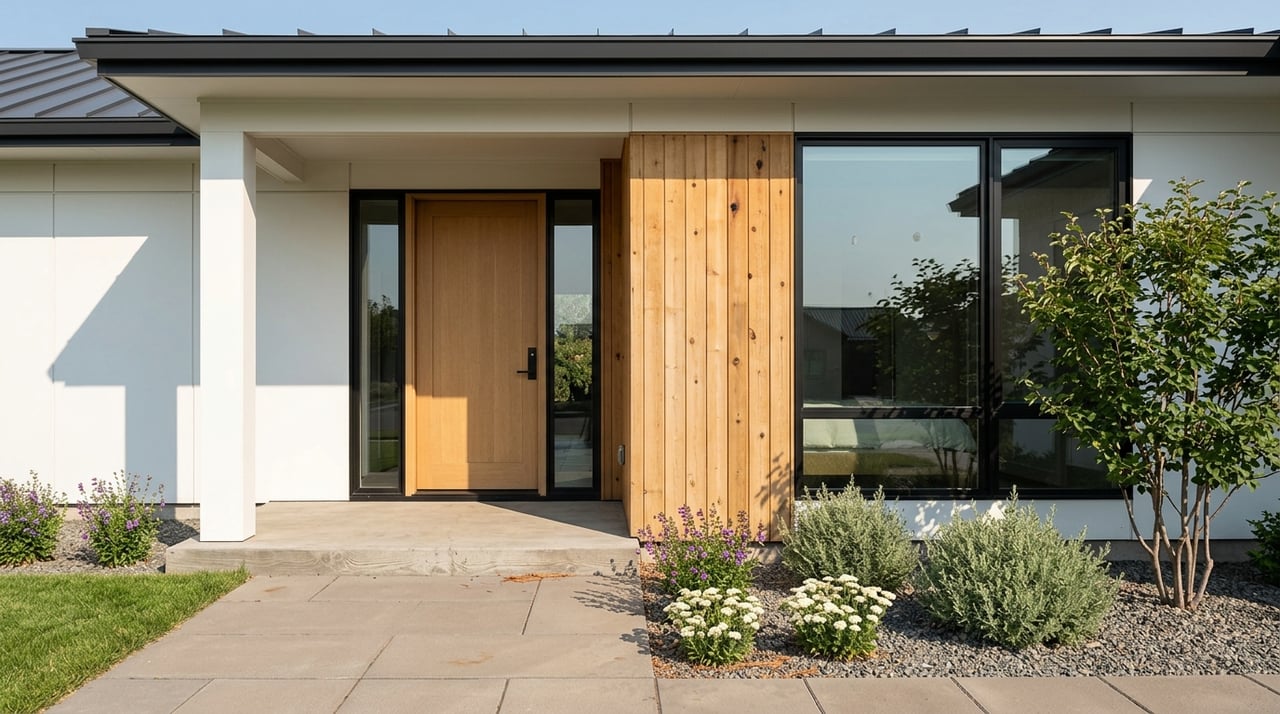
- Favor homes with entries, patios, and an attached garage on the sheltered side relative to prevailing winds.
- Existing, healthy windbreaks upwind of the house are valuable. Ask about the age and species.
- Consider how the house itself blocks wind. Outdoor living works best when spaces sit on the leeward side of the structure.
Driveways and winter drifts
- Orientation matters. Windblown snow piles up differently on exposed approaches. A protected driveway reduces plowing, shoveling, and winter wear.
Codes and wildfire guidance
- Before planting large windbreaks, check Park County building standards and local wildfire ordinances for setbacks and defensible space requirements. Local planners and fire districts can advise on safe distances and fuel management.
Outdoor living that works
Orient patios and decks
- Place primary outdoor spaces on the leeward, southern side of the home for sun and shelter.
- Use the house as your wind barrier. Keep seating, grills, and play areas close to the protected side.
Planting a windbreak that works
- A multi-row windbreak that mixes evergreens and deciduous trees offers year-round protection. Evergreens help in winter, while deciduous rows filter wind and allow summer sun.
- Effective windbreaks start reducing wind about 1 to 3 times the mature tree height upwind, and create a protected zone downwind up to 10 times the height. Mature height and spacing are key.
- Choose native, drought-tolerant species suited to Paradise Valley soils and climate. Plan for irrigation and multi-year establishment.
- Maintain defensible space. Do not plant heavy, continuous fuels next to the house. Keep a noncombustible zone near structures.
Structures that block wind
- Wind screens, louvered fences, masonry walls, and earth berms can all help. Perforated screens or combinations of plants and structures often reduce turbulence better than solid walls.
- Pergolas and shade structures should be engineered for local wind loads. Removable or reinforced covers are smart for gusty periods.
- Anchor furniture, grills, play equipment, and planters, or move them during high-wind events.
Year-round comfort balance
- South-facing exposure brings winter sun but may see more wind depending on the site. Balance solar gain with wind protection through landscaping and screens.
- For winter usability, focus on leeward placement and buffers. For summer, add deciduous shade trees that also filter breezes.
What to inspect on a windy-site home
Exterior and roofing
- Expect more wear on paint, siding, roof flashings, and chimney caps from wind-driven grit. Ask about maintenance history and any wind repairs.
- Check roof age and attachments. Look closely at shingles, ridge vents, gutters, downspouts, and flashing.
- Steep roofs and overhangs behave differently in wind. Eaves and overhangs can be vulnerable to uplift.
Windows, doors, and air sealing
- Confirm weather-stripping and sealing to reduce drafts and heat loss.
- Check window and door condition, and whether there are storm doors or appropriate glazing for the climate.
- Look for signs of recurring air infiltration around frames.
HVAC and mechanicals
- Exterior HVAC units and heat pumps should be anchored and placed in sheltered spots.
- Verify that vent terminations have secure caps to prevent backflow, ice buildup, or bird intrusion.
Landscaping and erosion
- Wind can drive soil erosion, dust, and snow drifting. Look for established groundcover, terraces, or retaining where needed.
Wildfire and ember exposure
- Wind increases ember travel and fire spread. Confirm defensible space practices, removal of ladder fuels, and a noncombustible zone near structures. Consult local fire authorities.
Utility and accessory items
- Ensure chimney caps, satellite dishes, solar panels, antennas, and fencing are properly rated, professionally installed, and securely anchored.
Buyer checklist: questions and priorities
Key questions to ask
- How windy is this lot during different seasons, and are gusts a known issue?
- Has the property had wind-related repairs on roof, siding, trees, or outbuildings?
- Are there existing windbreaks or a realistic plan for shelter that will mature in a reasonable timeframe?
- How do winds affect snowdrifts on the driveway and approaches?
- What wildfire-mitigation measures are in place, and are there local requirements for defensible space?
Inspection priorities
- Roof condition, age, attachments, flashing, and chimney caps.
- Windows and exterior doors for condition and sealing. Note storm doors or rated glazing.
- Foundations and siding for wind-driven abrasion, erosion, or undermining.
- Anchoring of exterior mechanical equipment and fuel tanks.
- Health and placement of mature trees and shelterbelts relative to the home.
- Evidence of past wind events affecting fencing, outbuildings, or hardscape.
Mitigation options and timeframes
- Low-cost, short-term: freestanding wind screens, anchored furniture, removable shade sails, strategic shrubs.
- Moderate investment: plant multi-row windbreaks, add pergolas or louvered screens, install heavier fencing. Plan for growth time.
- Higher cost, longer term: earth berms, engineered masonry walls, professionally designed windbreaks, structural roof reinforcements.
- Combine short-term structural fixes with long-term planting. Vegetation takes years to reach full effectiveness.
Choosing value without giving up views
You can enjoy Livingston’s views and still live comfortably. The key is to match the site to your lifestyle. A slightly more sheltered lot, a patio placed on the leeward side, and a thoughtful mix of plantings and screens can turn a breezy property into a year-round retreat. Factor in maintenance and future growth of windbreaks as part of your long-term plan.
Local resources and next steps
For deeper guidance, consult:
- National Weather Service for local wind behavior and seasonal patterns.
- Park County planning and building offices for setbacks, wildfire ordinances, and slope or erosion rules.
- Local fire districts, Montana DNRC, or county foresters for defensible space best practices.
- Montana State University Extension and USDA NRCS for windbreak design, species lists, and soil or erosion advice.
Ready to find a wind-smart home in Livingston or to optimize a property you love? Schedule your free consultation with AS Realty Montana. We’ll walk you through siting, outdoor living strategies, and maintenance considerations so you can buy with confidence.
FAQs
How windy is a Livingston yard in summer vs. winter?
- Summer often feels steadier with valley breezes, while the strongest events tend to show up in spring and fall. Winter can also bring episodes, especially with downslope warming.
Which sides of a house are usually windiest in Livingston?
- The wind commonly arrives from the west or southwest, so windward sides facing those directions see more exposure, while leeward sides feel calmer.
Can trees and fences make patios usable year-round in Livingston?
- Yes. A multi-row windbreak plus louvered or screened fencing can reduce wind and turbulence, especially when the patio sits on the leeward side of the house.
How long does a windbreak take to work well in Paradise Valley?
- Plants help right away at small heights but reach full effectiveness only after years of growth. Plan short-term screens while your trees mature.
Will Livingston wind raise energy bills or damage roofs?
- Drafts and heat loss increase with poor sealing, and wind can loosen shingles or flashing. Good weather-stripping, quality glazing, and documented roof maintenance help manage costs and risk.
Are there wildfire or planting restrictions that affect windbreaks in Park County?
- Yes. Maintain defensible space and follow county guidance on setbacks. Check with local planners and fire authorities before planting dense windbreaks near structures.
What should I ask my home inspector about wind exposure?
- Have them review roof attachments and flashing, exterior sealing, vent caps, mechanical equipment anchoring, tree health near the house, and evidence of wind-driven wear.