Thinking about a move to Three Forks? You are not alone. For many buyers, this small Gallatin County town stands out because it offers a different pace than Bozeman while still keeping you connected to the larger valley. If you are weighing housing options, commute times, and what everyday life really feels like, this guide will help you sort through the tradeoffs and decide whether Three Forks fits your goals. Let’s dive in.
Why Three Forks Draws Buyers
Three Forks is a compact small town in western Gallatin County with an estimated population of 1,919 residents in about 1.4 square miles, according to Census Reporter. Its location on Interstate 90 places it in a practical spot for people who want a smaller-town home base while staying connected to Belgrade, Bozeman, and the broader Gallatin Valley.
What makes Three Forks especially interesting is the contrast it offers. In town, you get a more traditional small-town layout with local services and parks close by. Just outside the city, the landscape opens quickly into agricultural land and rural residential properties, creating very different housing and lifestyle options depending on where you buy.
Housing Options in Three Forks
In-town homes and city living
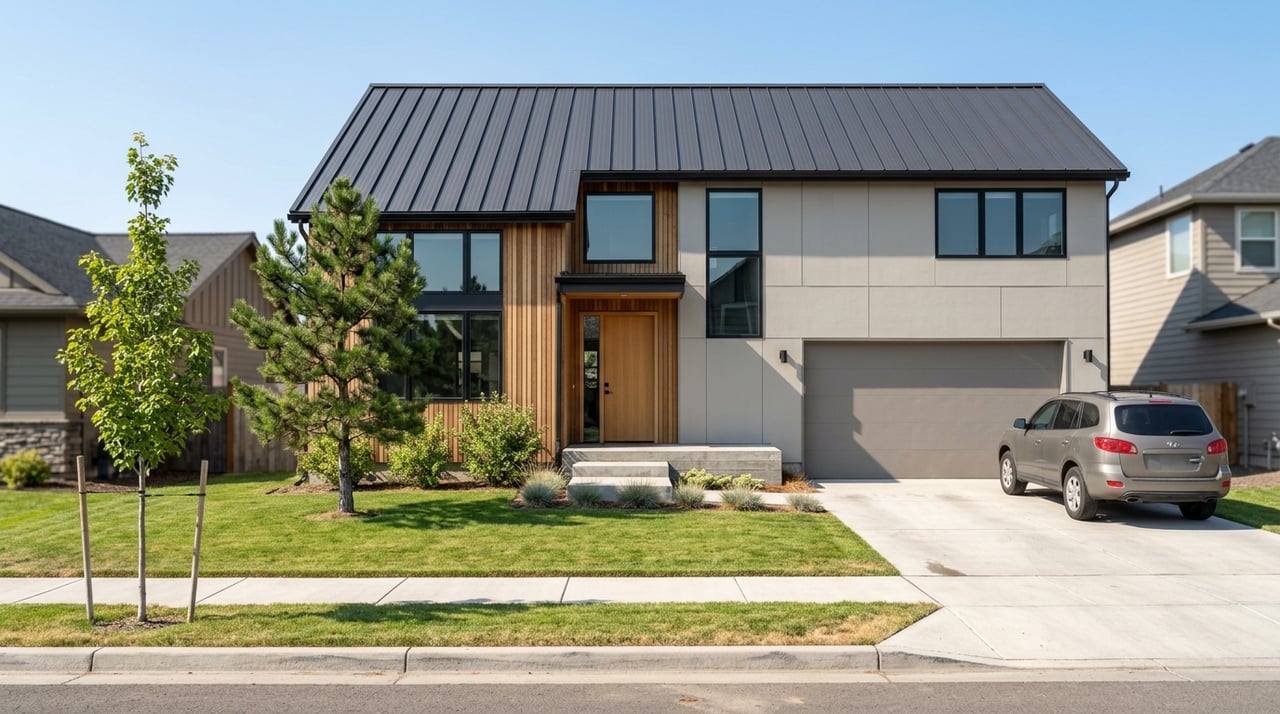
If you want a more connected day-to-day setup, in-town Three Forks may be the first place to look. The city’s growth policy notes that the local housing stock is still mostly single-family, with many homes built between 1980 and 2000 and a significant share built before 1940. It also points out that multi-family housing options remain limited.
That matters because your search may feel more straightforward if you are focused on a detached home, but tighter if you want condos, townhomes, or a broad mix of multi-unit choices. The city has identified residential infill as a future growth area, including both single-family homes and smaller multi-family housing, according to the city’s capital improvements plan.
In practical terms, in-town living often means easier access to everyday services and less driving for basic errands. It can also mean smaller lots and fewer available homes at any given moment, especially in a market where development is shaped by infrastructure and land constraints.
Rural acreage and larger lots
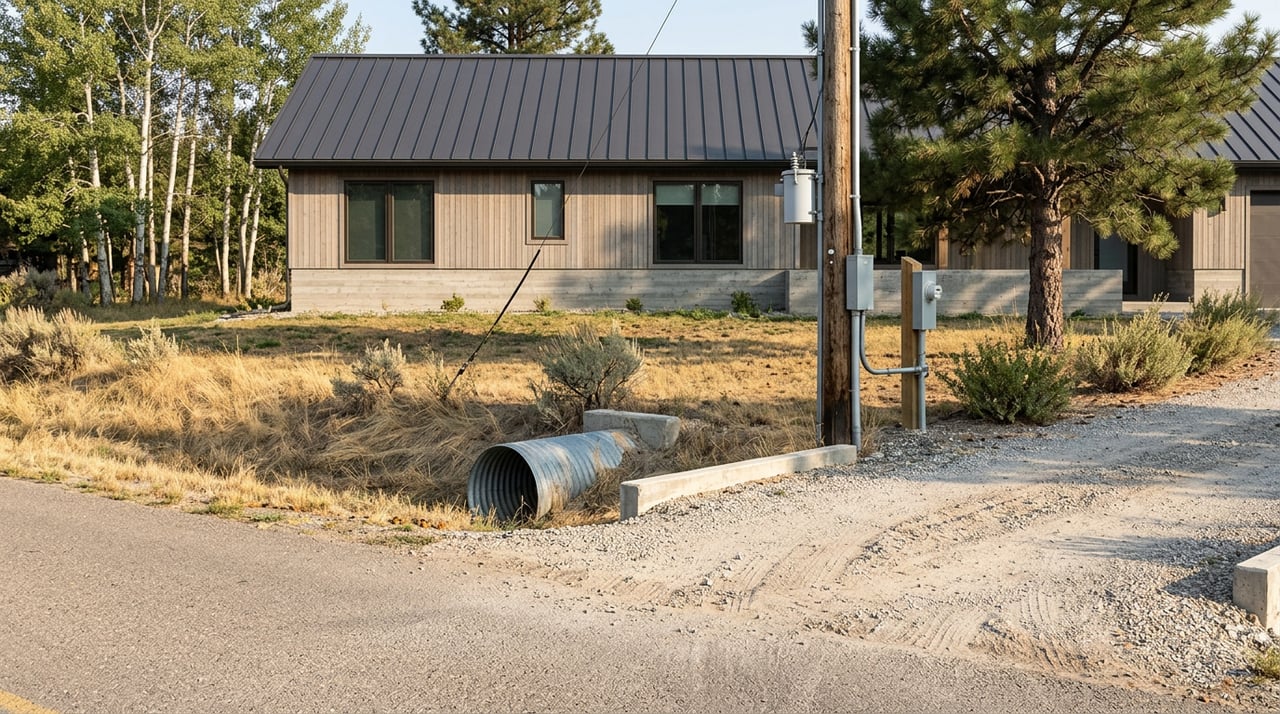
If your priority is more space, wider views, or a property that feels more removed from town, the area outside Three Forks may appeal to you. The adopted growth policy explains that much of the surrounding area is rural residential and agricultural land, and nearby subdivisions in Broadwater County often rely on larger lots with individual wells and septic systems rather than city water and wastewater.
That distinction is important when you compare properties. A rural home may offer more land and privacy, but it can also come with different maintenance, utility, and access considerations. You are not just buying square footage. You are choosing a daily routine that may include longer drives, different service setups, and more responsibility tied to the property itself.
Why inventory can feel limited
Some buyers are surprised that lot and housing options in town can feel tighter than expected. The city explains that growth is limited by floodplain conditions, wetlands, lot availability, and water supply capacity, all of which shape what can be built and where. You can read more in the city planning documents.
This helps explain why patience and local guidance matter in a Three Forks home search. Even when demand exists, not every parcel is equally ready for development or immediate use. If you are comparing in-town opportunities with land or larger lots outside the city core, understanding those limitations can help you set realistic expectations.
Price Context Compared With Bozeman
For many buyers, cost is part of the reason Three Forks enters the conversation. Census Reporter’s 2024 5-year ACS data shows a median owner-occupied home value of $395,800 in Three Forks, compared with $667,600 in the Bozeman metro area.
That does not mean every home in Three Forks will be inexpensive, and it does not replace current listing data. Still, it does suggest that Three Forks is meaningfully less expensive than Bozeman on a typical home-value basis. If you are trying to balance budget, space, and access to Gallatin Valley job centers, that gap can make Three Forks worth a serious look.
What the Commute Looks Like
Driving to Bozeman and Belgrade
Three Forks is closely tied to the larger region through commuting. The city’s planning documents place Bozeman about 30 miles east of Three Forks, and a route calculator puts the drive at roughly 31 miles and about 31 minutes under normal conditions. Belgrade is closer at 23 miles, based on the distance references cited in the city’s planning materials.
For many households, that makes Three Forks a practical option for living outside Bozeman without feeling too far removed. The key question is not just whether the drive is possible. It is whether the drive works for your actual schedule, your job location, and how often you expect to make that trip each week.
A commuter-oriented town
Three Forks is not a major employment center, and the city’s planning documents state that most residents work outside the area, with many commuting to Bozeman. The same documents also note that the city has no transit system, so residents rely on personal vehicles for trips outside city limits.
Recent ACS-based data shows a mean travel time to work of 24.1 minutes for Three Forks residents. The city’s growth policy also reports about 22,410 vehicle miles traveled per household each year, reinforcing the idea that driving is a normal part of life here.
How to test your real commute
If commuting is a major factor in your move, one of the best things you can do is test it yourself. Drive the exact route to Bozeman or Belgrade during the time of day you would normally leave for work. That gives you a better feel for timing, road rhythm, and whether the routine fits your lifestyle.
On paper, a 30-minute drive may sound simple. In real life, the experience can feel very different depending on your work hours, family schedule, and how often you need to be in town. A scouting trip can answer that faster than any map ever will.
Everyday Life in Three Forks
Local services and daily convenience
One of Three Forks’ strengths is that it offers more day-to-day convenience than many buyers expect from a town its size. The city’s growth policy says residents can access a library, medical clinic, pharmacy, chiropractic clinic, dentist, senior center, post office, grocery store, several retail and dining options, schools, parks, and the airport without regularly leaving town.
For healthcare context, the city’s medical-facilities page also lists local care in Three Forks along with additional options in Belgrade and Bozeman. That setup can be appealing if you want a smaller-town environment without giving up basic services close to home.
Parks, trails, and outdoor access
Outdoor access is a major part of the Three Forks lifestyle. The city says it has seven parks covering just over 9 acres, and those spaces are accessible on foot, by bike, or through the Headwaters Trail System.
The area’s recreation options go beyond neighborhood parks. The Three Forks Chamber highlights the paved Headwaters Trail System, which connects through town to Missouri Headwaters State Park. The chamber also points to Headwaters Public Golf Course, Three Forks Ponds, Lewis and Clark Caverns State Park, and Madison Buffalo Jump as nearby recreational amenities.
According to the National Park Service information referenced by the chamber, Missouri Headwaters State Park marks the confluence of the Jefferson, Madison, and Gallatin Rivers and offers year-round access, trails, campsites, fishing, canoeing, floating, swimming, bicycling, and picnicking. If outdoor time is a big part of how you want to spend weekends, that setting may be one of Three Forks’ biggest advantages.
School campus and town layout
For buyers who want to understand the town’s structure, the school campus is one useful landmark. The city’s growth policy says there is one educational facility in town that includes elementary, middle, and high school, and the district site confirms a single Three Forks Schools campus.
That does not tell you everything about a move, but it does help illustrate how compact and connected the community layout is. In a town this size, daily life is often shaped as much by proximity and routine as by square footage alone.
How to Plan a Smart Scouting Trip
If you are relocating from outside the area, a focused scouting trip can save you time and help you compare options more clearly. The most useful approach is to separate your visit into three questions: what in-town living feels like, what acreage living feels like, and what the commute really asks of you.
Start with the places that show the town’s everyday rhythm. Visit Main Street, the school campus area, the library, and the park and trail network. Those stops can help you decide whether the pace and convenience of Three Forks match what you want from a home base.
Then compare housing types directly. Tour at least one in-town property with city services and one rural or larger-lot property where wells, septic systems, and longer drives become part of the equation. In Three Forks, that side-by-side comparison is often the fastest way to understand which tradeoffs feel worth it to you.
Finally, build in time for a recreation stop such as Missouri Headwaters State Park or the Headwaters Trail. That helps you picture your weekends, not just your workweek. When you are planning a move, lifestyle fit matters just as much as square footage and commute time.
Is Three Forks the Right Fit for You?
Three Forks may be a strong fit if you want more room in your budget than Bozeman typically allows, appreciate a smaller-town setting, and are comfortable with driving as part of daily life. It can also be a smart option if you are deciding between in-town convenience and rural acreage, since both are part of the local market.
The right move usually comes down to clarity. How much space do you want? How often will you commute? Do you prefer city services nearby, or do you want more land and are comfortable with the tradeoffs that come with it? When you answer those questions honestly, Three Forks becomes much easier to evaluate.
If you are considering a move to Three Forks or comparing it with other Gallatin Valley communities, Amanda Shearman can help you sort through housing options, commute realities, and local property types so you can move forward with confidence.
FAQs
What kind of housing is common in Three Forks?
- In-town Three Forks is mostly single-family housing, with limited multi-family options, while the surrounding area includes rural residential and agricultural properties with larger lots.
How far is Three Forks from Bozeman?
- The city’s planning documents place Bozeman about 30 miles east of Three Forks, with a drive of roughly 31 miles and about 31 minutes under normal conditions.
Is Belgrade closer to Three Forks than Bozeman?
- Yes. The planning references in the research report list Belgrade at 23 miles from Three Forks, making it the closer of the two common commute destinations.
What is daily life like in Three Forks, Montana?
- Three Forks offers a library, medical clinic, pharmacy, grocery store, parks, dining options, and other everyday services, plus easy access to trails and nearby outdoor recreation.
What should you do on a Three Forks scouting trip?
- A strong scouting trip should include time downtown, a comparison of in-town and rural properties, a test drive of your likely commute route, and a stop at a local recreation area like Headwaters Trail or Missouri Headwaters State Park.