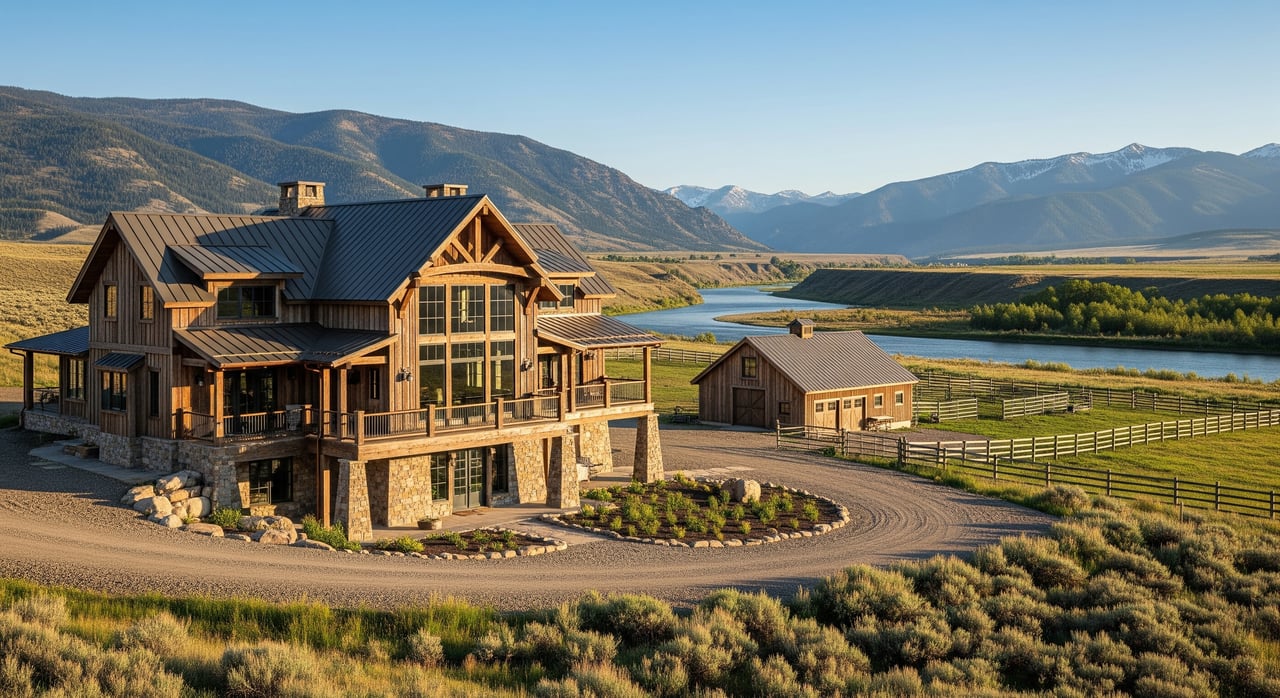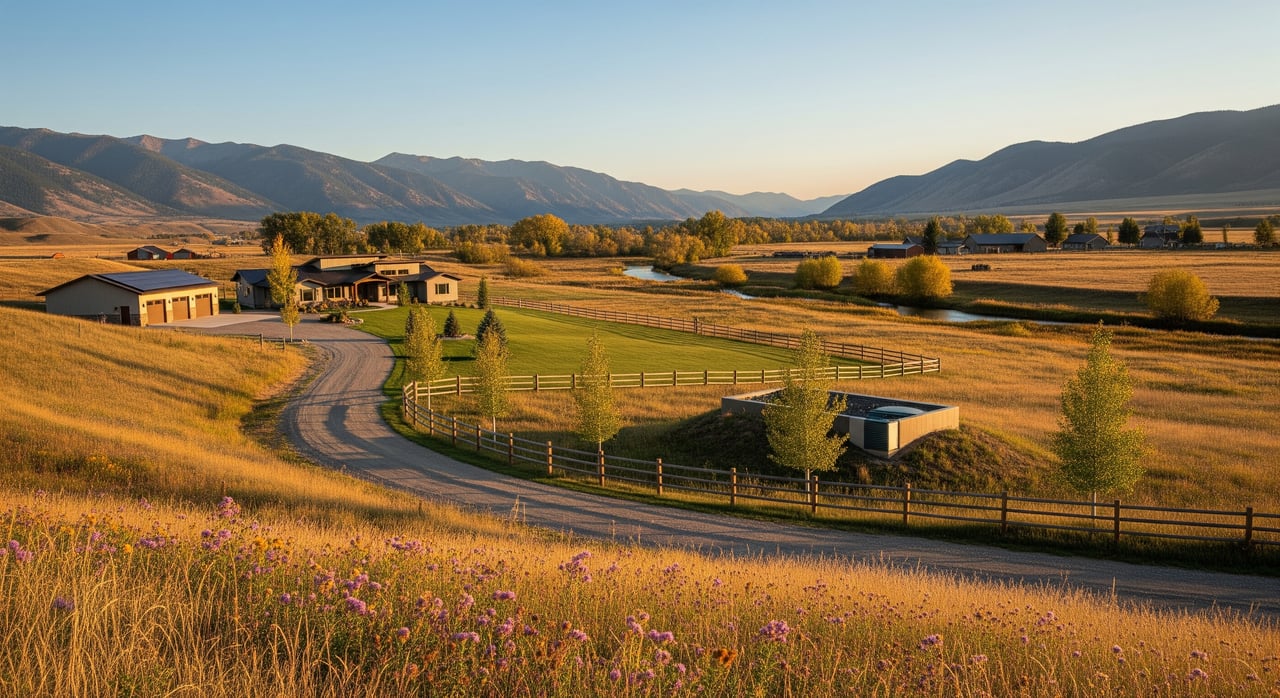
You picture a wide-open Montana sky, room for horses or a shop, and a home set back from the road. Acreage near Manhattan can deliver that lifestyle, but the details matter. Access, utilities, and zoning decide what you can build, how you reach it year-round, and what it costs to make the land livable. In this guide, you’ll learn what to check, who to call, and how to verify the essentials before you commit. Let’s dive in.
Confirm your jurisdiction first
Start by finding out whether the parcel sits inside the Town of Manhattan or in unincorporated Gallatin County. The jurisdiction determines zoning, minimum lot sizes, and which offices issue permits. Inside town, the Town of Manhattan handles municipal utilities and building permits. Outside town, Gallatin County regulations apply.
Call or visit the right offices early. Gallatin County Planning and Community Development can confirm zoning and subdivision rules. For onsite wastewater, contact Gallatin County Environmental Health. If your parcel is near a state highway, the Montana Department of Transportation may need to review driveway access. When water rights or wells are involved, the Montana Department of Natural Resources and Conservation is the key resource.
Access essentials
Getting in and out year-round is not just convenient. It affects emergency response, construction logistics, and financing. Look at access from three angles: legal, physical, and maintenance.
Legal access
You need a recorded public right-of-way or a recorded easement that connects your parcel to a public road. Ask your title company or attorney to verify that the easement is properly described in the deed or plat. The document should cover vehicles, utility installation, and future driveway improvements.
If the road is private, review any road maintenance agreements or HOA covenants. Clarify whether gates are allowed and how emergency services access the property. Make sure the easement’s width and language support construction equipment and utility trenching.
Physical access
Drive the route in different seasons if possible. Evaluate grade, surface type, drainage, and any bridges or culverts. Consider the turning radius for trucks, fire engines, and delivery vehicles. If the final stretch to the parcel is not county maintained, ask a local road contractor for an opinion on upgrades and rough costs.
In winter, unpaved roads can drift or ice over. Manhattan-area acreage often relies on private plowing. Ask neighbors, the seller, or any road association how snow is handled and how often the road is graded.
Maintenance and permits
Find out who maintains each segment of the approach. The Gallatin County Road Department can confirm whether a road is county maintained and what standards apply. For new driveways that connect to a county or state road, you may need a driveway permit and a culvert installed to county standards. If you plan to build, check fire access requirements and whether hydrants or water storage are required.
Utilities on acreage
Utility availability and cost vary widely around Manhattan. Some parcels near town can tap municipal systems. Most rural parcels rely on a mix of on-site and extended services. Confirm everything in writing.
Water: municipal or well
Inside town limits, some parcels can connect to Manhattan’s municipal water. Confirm capacity, tap fees, and any required agreements with the Town of Manhattan. Outside town, a domestic well is common.
If a well exists, request the well log and any pump test results. For a new well, contact the DNRC to understand reporting and water-right considerations. Montana manages surface and groundwater under prior appropriation. In some areas, you may need to confirm that your planned use is permitted. Always test water quality for bacteria and nitrates. In certain geology, testing for arsenic or uranium is a smart step.
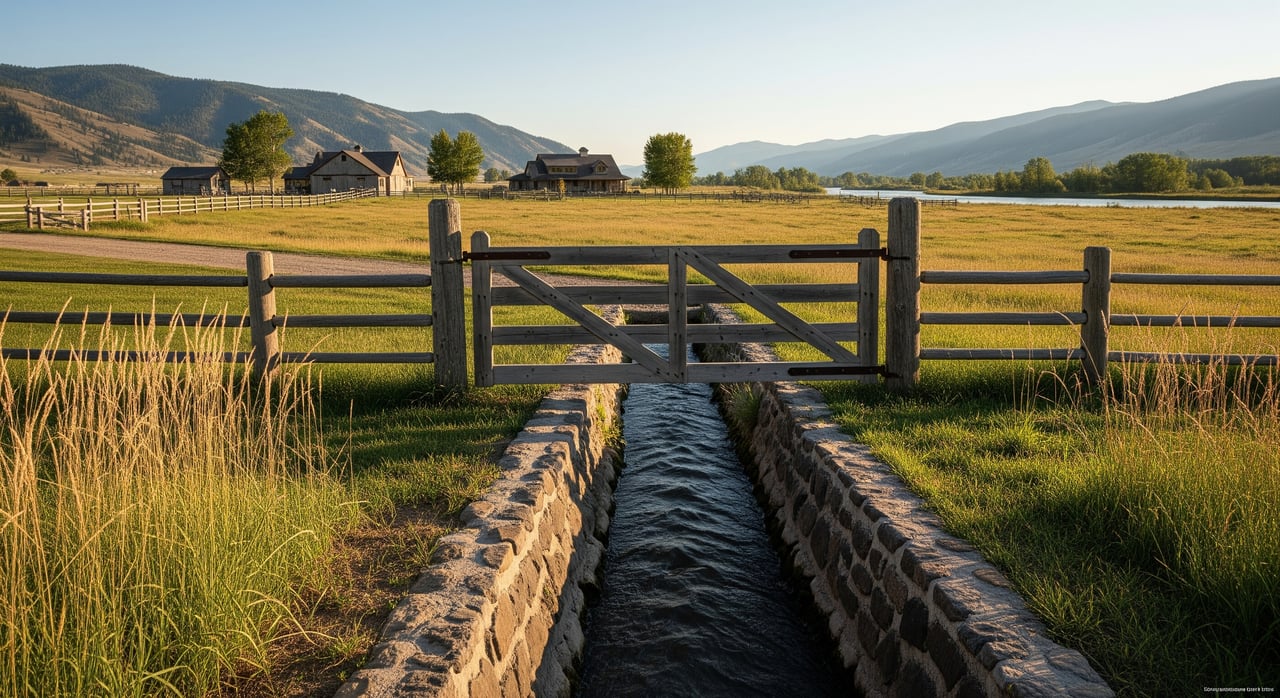
If irrigation ditches cross the property, ask whether deeded irrigation water rights are included. Ditch rights can be valuable for pasture or gardens. Verify them through recorded documents and with the DNRC or local ditch company.
Wastewater: septic systems
Most acreage uses onsite wastewater systems. Gallatin County Environmental Health oversees permitting and site evaluations. Before you assume a standard system will work, check soils, groundwater depth, and slope. Rocky or shallow soils can require engineered or mound systems.
Confirm whether any existing septic system has a valid permit and was approved for the home’s bedroom count. If no system exists, schedule a site evaluation with the county sanitarian. Plan for design, permits, and inspections to be part of your build timeline.
Electricity and fuel
Electric service is usually available, but distance to the nearest line drives cost. Contact the primary electric provider for a site visit and a written line-extension estimate. If the parcel is remote, the quote can be substantial. Some buyers opt for solar plus battery and a generator when extension costs are high.
Natural gas is limited outside town areas. Propane is the standard alternative. Ask local providers about tank placement rules, permits, and delivery schedules for roads that are difficult in winter.
Broadband and communications
Internet options vary by road and terrain. Near Manhattan you may find fixed wireless, DSL, or fiber where providers have expanded coverage. In more remote locations, satellite service can be the fallback. Confirm service directly with providers and ask about line-extension policies or equipment placement. Cell coverage also changes with topography, so test signal strength on site.
Other services and typical costs
Trash and recycling service may be limited on private roads. You might use a transfer station or arrange private hauling. For budgeting, keep in mind that wells, septic systems, electric extensions, and broadband extensions can range from several thousand to tens of thousands of dollars depending on site conditions and distance. Always rely on written quotes for accuracy.
Zoning and land use
Zoning controls what you can build, where you can place improvements, and whether you can divide land later. Start by confirming the parcel’s zoning designation with the Town of Manhattan or Gallatin County Planning.
Allowed uses and density
Ask what uses are allowed by right and which require a conditional use permit. Many rural zones allow homes and agricultural activities, while others may allow limited commercial uses. Minimum lot sizes vary, which matters if you plan to subdivide or add a second residence.
Setbacks and building placement
Setbacks, height limits, and lot coverage rules determine where you can place your home, shop, well, and septic system. If a subdivision plat shows building envelopes, respect those boundaries. Consider topography and defensible space for wildfire risk when choosing a building site.
Subdivision and permits
Splitting acreage can trigger subdivision review and infrastructure requirements. Timelines for subdivision range from months to over a year depending on studies and hearings. For new homes, septic approvals are often required before you receive a building permit. Plan for multiple agency reviews and inspections.
Overlays and environmental constraints
Check FEMA flood maps and ask county planning about floodplain rules. If wetlands are present, additional permits may apply. In wildfire-prone areas, you may face building standards that address access, defensible space, and materials. Steep slopes, shallow bedrock, and high groundwater can affect both septic and foundation design.
Agriculture and water rights
Local right-to-farm protections help agricultural operations, but covenants or HOAs may still limit certain activities. If you want agricultural property tax classification, confirm eligibility with the Gallatin County Assessor. For any claimed water rights, gather documentation and confirm status with the DNRC.
Due diligence checklist
Use this list to keep your purchase on track:
Title and legal access
- Request a full title report. Review recorded easements, covenants, and any conservation easements.
- Confirm legal access by public road or recorded easement that allows vehicles and utilities.
Surveys and boundaries
- Order a current boundary survey and verify legal descriptions.
- Confirm building envelopes and setbacks for home, shop, well, and septic field.
Utilities and costs
- Obtain well logs, pump test results, and a water quality lab test.
- Confirm septic permits and capacity, or schedule a site evaluation.
- Get written quotes for electric, broadband, and propane service.
- Clarify trash, mail delivery, and parcel delivery access.
Zoning and land use
- Confirm zoning designation, allowed uses, and minimum lot size.
- Ask about subdivision potential and any conditions for future splits.
Environmental and site risks
- Review floodplain information and ask about wetlands or steep slopes.
- Consider wildfire risk and vegetation management needs.
- Evaluate access in winter and potential improvement costs.
Water rights and irrigation
- Verify any claimed ditch rights or water shares with documentation.
- Confirm well reporting and permitted groundwater use with DNRC.
Permits and timelines
- Confirm prerequisites for building permits and expected review times.
- Coordinate inspections and agency sign-offs as part of your build plan.
Financing
- Ask your lender about requirements for well testing, septic inspection, and legal access.
- Understand how lack of utilities may affect loan options.
Timelines, costs, and financing
Plan your budget around site-specific quotes and permitting lead times. Septic approvals and driveway permits often precede building permits, so factor them into your schedule. Weather can influence when contractors can trench utilities or drill wells, especially in winter and early spring.
Line-extension costs can be a major variable. Get quotes from the electric provider early so you can adjust your building location or service strategy. If you need engineered septic or road upgrades, ask for contractor estimates and include contingency in your budget. Lenders may condition funding on proof of legal access, utility feasibility, and water quality, so gather documentation during your inspection period.
Who to contact first
- Listing agent or seller for well logs, septic permits, plats, and covenants.
- Gallatin County Planning and Community Development for zoning and subdivision rules.
- Gallatin County Environmental Health for septic/site evaluations and permits.
- Gallatin County Road Department for road status, maintenance, and driveway standards.
- Town of Manhattan if the parcel might be inside town limits for municipal utility availability and town permits.
- DNRC Water Resources for well logs and water-right records.
- Primary electric provider and local broadband providers for availability and line-extension quotes.
- Local well drillers, septic installers, and road contractors for site-specific bids.
How we help
Buying acreage is part dream and part due diligence. You deserve a guide who knows the local process and the right questions to ask. From access and utilities to zoning and timelines, we help you assemble facts, evaluate costs, and move forward with confidence.
If you are exploring acreage near Manhattan, connect with us to map out a clean path from offer to closing. Schedule your free consultation with Amanda Shearman.
FAQs
What should I verify first when buying acreage in Manhattan, MT?
- Confirm jurisdiction (Town of Manhattan or Gallatin County), legal access via deed or easement, and basic utility feasibility for water, septic, and power.
How do I know if a rural road to my property is maintained?
- Ask the Gallatin County Road Department whether each road segment is county maintained and review any private road or HOA maintenance agreements for the remainder.
Can my parcel connect to municipal water and sewer in Manhattan?
- Possibly if the property is inside town limits or adjacent to town systems; confirm availability, capacity, and connection fees with the Town of Manhattan.
What tests should I run on an existing well?
- Request a pump test for yield and lab tests for bacteriological contaminants and nitrates; consider testing for arsenic or uranium depending on local geology.
Who approves septic systems in Gallatin County?
- Gallatin County Environmental Health handles site evaluations, permitting, and approvals for onsite wastewater systems.
How much does it cost to bring power to a rural parcel?
- Costs vary with distance to the nearest line and terrain; request a site visit and written line-extension quote from the electric provider.
Can I subdivide my acreage later in Gallatin County?
- It depends on zoning, minimum lot size, access, and subdivision regulations; consult Gallatin County Planning about process, requirements, and timelines.
What environmental constraints could affect where I build?
- Floodplains, wetlands, wildfire risk, steep slopes, shallow bedrock, and groundwater levels can influence building location, system design, and permit conditions.