Have you fallen for a Whitehall property but feel unsure what to check before you commit? Rural Montana homes and acreage come with unique details that deserve a closer look. When you understand your due diligence period, you protect your money, your timeline, and your future enjoyment of the land. In this guide, you’ll learn what due diligence means in Montana, what to investigate around Whitehall and Jefferson County, and how to stay on schedule from offer to close. Let’s dive in.
What due diligence means in Montana
Your due diligence period is the negotiated window in your purchase contract to investigate the property and decide whether to move forward, renegotiate, extend, or terminate. It is not set by state statute. The length and scope are agreed by you and the seller in writing.
The main goals are simple: confirm the condition of the home and systems, verify title and boundaries, confirm access and land-use limits, and complete lender, appraisal, and insurance requirements. At the end of the window, you will either remove contingencies, ask for repairs or credits, request an extension, or terminate per your contract.
Money matters are contract-specific. Earnest money shows good faith. How it is handled if you terminate depends on the written terms. Some deals separate earnest money from an option or due diligence fee, while others do not. Get clear calendar dates in writing and talk with your agent or attorney about the consequences of missing deadlines.
Key investigations and contingencies
General inspections
Most buyers include an inspection contingency. A general inspector looks at structure, roof, attic, foundation, plumbing, electrical, and HVAC. You can also add pest, chimney, and specialized structural inspections as needed.
Well and water testing
If the property has a private well, you will want two kinds of checks:
- Yield/flow test: An estimate of gallons per minute and recovery. Seasonal conditions can affect yield.
- Water quality: Tests for bacteria, nitrates, arsenic, and other local contaminants. Start early if multi-day monitoring is needed.
Septic system evaluation
Septic systems are common on rural properties. Order a pump and inspection, confirm the permit status, and review maintenance history. If replacement is likely, a percolation or soil test may be required.
Title and boundary review
Ask for a preliminary title commitment and review exceptions. A survey or boundary confirmation can help verify acreage, fences, encroachments, easements, and legal access. This matters when fences do not match the legal description or when outbuildings sit near lot lines.
Access and roads
Confirm deeded access and whether roads are public or private. Review any road maintenance agreements and recorded rights-of-way. Ambiguity around maintenance can lead to unexpected costs.
Environmental and land use
- Flood status: Check FEMA flood maps and any flood insurance history.
- Potential hazards: Older homes may have lead-based paint. Some properties warrant radon testing. Large rural tracts or commercial sites may call for a Phase I environmental assessment.
- Zoning and restrictions: Confirm permitted uses, setbacks, and any covenants or HOA/POA rules.
Lending and appraisal
Your lender will order an appraisal and verify insurance, title, and your financials. USDA, VA, and FHA loans are common in rural areas and have added requirements that can affect timing and property condition.
Leases and agricultural uses
If the land is used for grazing, crops, or timber, review any leases and what obligations transfer. Confirm tenant notice requirements and any income or expense items that run with the property.
Utilities and communications
Verify electricity, propane, phone, cellular, and internet options. Confirm any utility easements and check for utility liens.
Documents and records to review
- Purchase agreement and all addenda: focus on dates, contingency language, and earnest money provisions
- Seller property disclosure if provided: look for known defects or system issues
- Title commitment and deed history: confirm ownership and exceptions
- Plat maps, legal description, and any recent survey
- Well log, well permit, and water test results (historic well logs may be on file with state or county)
- Septic permit, installation records, and maintenance or repair history from the county sanitarian
- County tax records, assessments, and any special assessment history
- Easements, road maintenance agreements, and CC&Rs or HOA/POA documents
- Mineral rights conveyance history and any severances
- Building permits and code compliance records for additions or renovations
- Flood determination or FEMA map printouts
- Lender program materials for USDA, VA, or FHA if applicable
Whitehall and Jefferson County factors
Water rights and irrigation
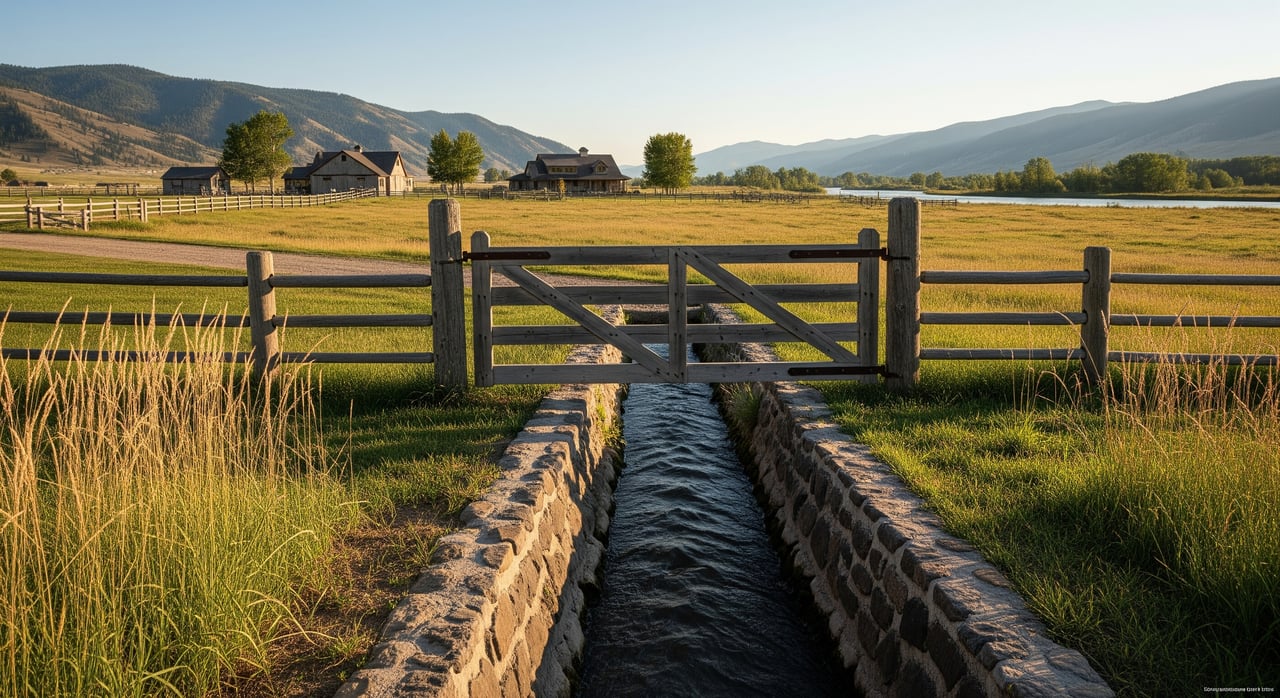
Many Jefferson County parcels have ties to irrigation ditches or historic water rights. Verify whether surface water or irrigation rights are appurtenant to the parcel and if they convey. Ditch company records and the state water rights database are key.
Wells and groundwater
Private wells are common. Review well logs and permits, confirm capacity, and test water quality. Note that seasonal variability can affect both yield and chemistry.
Septic systems and small community sewer
The county sanitarian or environmental health office maintains permit histories. Older systems may not meet current rules, and upgrades can require time and money. Factor potential replacement into your budget.
Access and winter roads
Some roads are county-maintained while others are private. Confirm year-round access, seasonal closures, and snow removal plans. Make sure any maintenance agreement is recorded.
Mineral and estate issues
Historical mining activity and severed mineral estates exist in parts of Montana. A title review for mineral severance helps you understand your surface rights and future use considerations.
Wildfire considerations
In forested or brush areas, evaluate wildfire risk and defensible space. Insurance pricing can be affected by wildfire exposure, so engage insurers early.
Local offices and contacts
Plan to interact with Jefferson County Clerk and Recorder, Planning and Zoning, and the county Sanitarian for records. The Montana DNRC holds water rights and well data. FEMA provides flood maps. USDA Rural Development can help with rural loan eligibility. Professional forms and guidance are available through the Montana Board of Realty Regulation and the Montana Association of REALTORS.
A practical 30-day timeline
Rural transactions often need more time than metro deals. In and around Whitehall, 15 to 30 days is common. If you expect surveys, water rights review, or complex title work, 30 or more days can be smart.
- Days 0–3: Deliver earnest money, open the loan file, order the title commitment, schedule the general inspection, request seller disclosures, and pull county records
- Days 3–10: Complete general and pest inspections, septic pump and inspection, and well flow and water quality testing; begin radon testing if desired
- Days 7–14: Review the preliminary title report, order a survey if needed, and start any mineral rights research
- Days 10–21: Negotiate repairs or credits, resolve lender appraisal items, and work through title exceptions
- Final week before expiration: Decide to remove contingencies, request an extension, or terminate per your contract
Factors that can extend timelines include winter access, the availability of local inspectors or surveyors, specialized water testing, complex title chains, and coordination with state agencies.
Common pitfalls to avoid
- No recorded legal access to the property
- Missing or failing well or septic records and tests
- Severed mineral rights that limit surface use
- Encroachments or inaccurate acreage when fences do not match the legal description
- Road maintenance that is unclear or unfunded
- Environmental hazards or underground storage tanks
- Insurance surprises from wildfire or flood exposure
- USDA, VA, or FHA eligibility or appraisal issues that surface late
- Winter conditions that delay septic or soil testing
Buyer checklist for your due diligence
- Order the title commitment and review recorded easements and deed history
- Hire inspectors: general, septic, well, pest, chimney, radon, or structural as needed
- Test the well: microbiological and chemical testing, plus yield if conditions warrant
- Schedule a septic pump and inspection; verify permits and maintenance
- Order a boundary or ALTA/NSPS survey if lines, fences, or acreage matter
- Confirm legal access and road maintenance agreements
- Check FEMA flood status and contact insurance agents early
- Review county zoning, setbacks, and any covenants or HOA/POA rules
- Verify utilities, from power and propane to internet options and any utility liens
- Coordinate with your lender on appraisal, program standards, and timing
Smart questions to ask
- Who holds deeded access, and is it recorded in the public record?
- Are any water rights appurtenant to the parcel, and do they convey at closing?
- What does the well log show about depth, yield, and past water quality tests?
- What type of septic system is installed, how old is it, and what is the permit status?
- Are there recorded easements, covenants, or restrictions that affect use?
- Has the property been surveyed recently, and do maps align with current fences?
- Are mineral rights included, and has there been past or present mining activity nearby?
- Is the home in a FEMA flood zone or a known wildfire risk area, and how does that affect insurance?
- Are there active leases for grazing, crops, or timber, and what terms transfer?
- What inspections or tests will the lender require, and can they be completed within the window?
When to extend or step back
If you need lab results, a survey, agency records, or repairs that cannot be completed in time, request a written extension before your deadline. If title issues, access problems, failed water or septic tests, appraisal gaps, or insurance hurdles cannot be resolved, your contract may allow termination within the due diligence period. Stay calendar-driven and confirm every decision in writing.
Your next step
You do not have to navigate this alone. A calm, organized plan will help you protect your interests and keep your purchase on track. If you want local guidance on well and septic timelines, access and easements, or water rights and title review in Whitehall and Jefferson County, connect with Amanda Shearman for a friendly, no-pressure conversation.
FAQs
How long is a typical due diligence period for Whitehall rural homes?
- In rural Montana, 15 to 30 days is common, and 30 or more days is used when surveys, water rights reviews, or complex title items are expected.
What should I test on a private well in Jefferson County?
- Order a yield or flow test and water quality tests for bacteria, nitrates, arsenic, and other local contaminants, allowing time for multi-day monitoring if needed.
How are earnest money and due diligence fees handled in Montana contracts?
- Treatment is negotiable and contract-specific; confirm dates, remedies, and any forfeiture language in writing with guidance from your agent or attorney.
Do I need a survey for acreage near Whitehall?
- A survey or boundary confirmation is wise when acreage, fences, outbuilding placement, or potential encroachments matter, or when deeded access needs verification.
How do I verify road access and maintenance on a rural property?
- Confirm recorded deeded access or public frontage and review any road maintenance agreements to understand responsibilities and costs.
What can delay my due diligence in winter?
- Frozen ground can limit septic or percolation tests, and remote roads can slow inspector access; start scheduling immediately after going under contract.
Should I worry about mineral rights on a Jefferson County parcel?
- Yes. A title search for mineral severance helps you understand whether mineral rights are included and how past or present mining activity could affect use.