Thinking about buying near the headwaters of the Missouri in Three Forks? Water access and water rights can make or break your plans, especially if you’re eyeing a home on acreage or a rural parcel. You want clear answers on wells, ditches, and whether your right will actually deliver water in late summer. This guide gives you plain‑language basics, a due‑diligence checklist, and local insights so you can move forward with confidence. Let’s dive in.
Why water rights matter in Three Forks
Three Forks sits where the Jefferson, Madison, and Gallatin Rivers meet. Seasonal snowmelt can bring high flows in spring, then lower flows in late summer. In tight years, who gets water first comes down to Montana’s prior‑appropriation system: first in time, first in right. Senior rights are satisfied before junior rights when supplies run short.
That priority can affect everything from lawn irrigation to stock water. It also matters if you plan to add landscaping or small‑scale agriculture. Understanding what you are actually entitled to use, and when, is essential before you buy.
Know your water source
Different parcels around Three Forks rely on different water sources. Confirm which one serves the property, then tailor your due diligence accordingly.
Municipal city water
If the property lies inside Three Forks city limits, it is likely served by the municipal system. Ask the seller and the city about service availability, connection fees, capacity, and any outstanding assessments. If you are just outside city limits, verify whether connection is possible and what it would cost.
Private wells and groundwater
Many rural homes use private wells. Groundwater can be tributary to nearby streams or non‑tributary in deeper aquifers. The legal treatment and permitted quantities can differ. New or changed groundwater uses typically involve state oversight; start with the DNRC for process and eligibility. Review well construction details, performance, and water quality before you commit.
- For permits and process, see DNRC water‑right permitting information on the Department’s Water Resources pages.
- For homeowner testing basics, review MSU Extension well water testing guidance for nitrates, bacteria, arsenic, and hardness.
Surface water and irrigation ditches
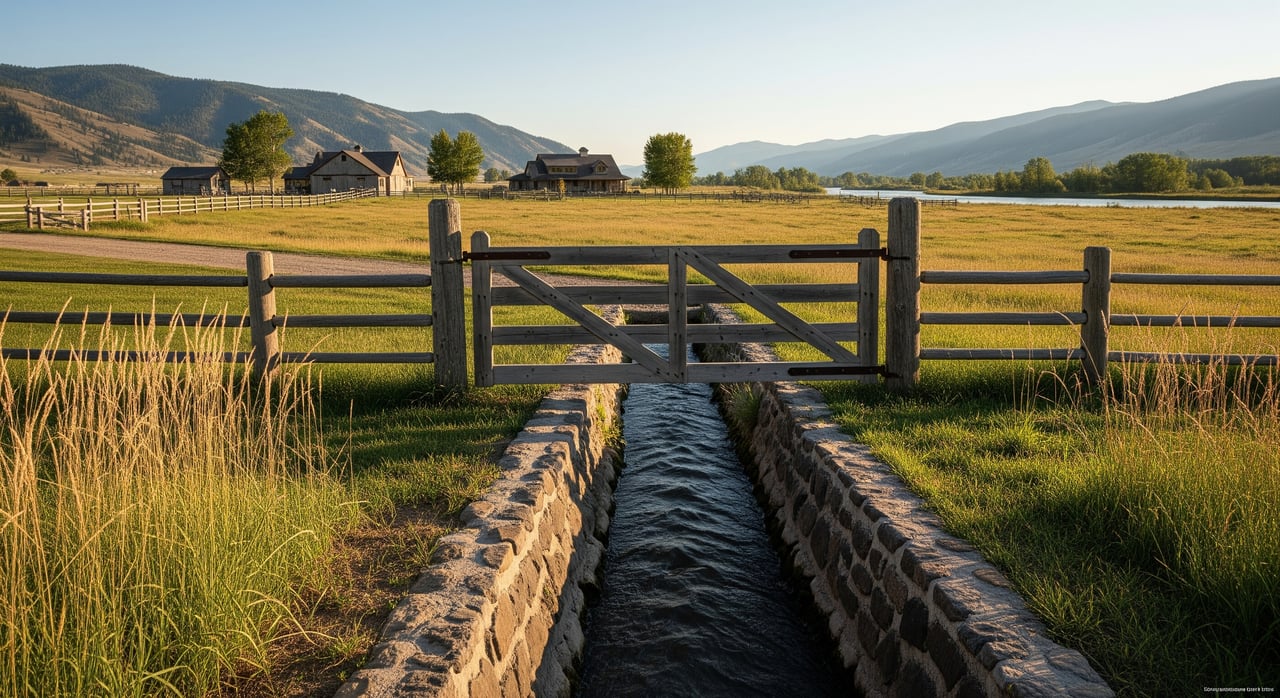
Some properties hold surface‑water rights for irrigation, stock, or domestic uses. These rights specify a priority date, flow rate, and beneficial use. They may be delivered through a private ditch or an irrigation company. Membership rules, turn schedules, assessments, and ditch maintenance obligations often run with the land. Confirm the physical condition of headgates and how you access them.
Instream flows and environmental reservations
The state and agencies can hold instream flow rights to protect fisheries and recreation. These rights can limit diversions by junior users during dry periods. If your plans depend on late‑season diversions, pay close attention to your right’s priority date and any basin‑wide decrees.
Key terms you should know
- Priority date: The date the right was first established. Senior rights with earlier dates are filled before junior rights in shortages.
- Beneficial use: The authorized purpose, such as domestic, irrigation, stock, or municipal. Use is limited to the approved purpose and amount.
- Permit vs. certificate: A permit authorizes development of a right. A certificate confirms completion and the finalized right.
- Change of use or place: Owners can often request to change a right’s point of diversion, place of use, or purpose. Changes require DNRC approval and cannot injure senior users.
- Tributary vs. non‑tributary groundwater: Connection to surface water affects permitting and potential curtailment during low flows.
- Adjudication: The Montana Water Court issues decrees that define water rights in a basin. A decree is the authoritative statement of what is legally recognized.
- Appurtenancy: Rights are often tied to specific lands, but they can be sold or separated. Never assume a right transfers without verifying the deed and state records.
Buyer due‑diligence checklist
Use this step‑by‑step plan early in your search, especially for rural or edge‑of‑town properties.
- Confirm the property’s water source.
- Municipal service, private well, surface‑water diversion, or none. Do not rely on assumptions or hearsay.
- Review the deed for water‑right language.
- Look for reservations, conveyances, or exceptions. Then cross‑check against state records.
- Order a DNRC water‑rights abstract.
- Use the statewide database to identify permits, certificates, priority dates, flow rates, points of diversion, and places of use. Start with the DNRC Water Rights Query.
- Pull well information and test the water.
- Ask for the well log and pump details. Schedule a current yield test and lab testing for nitrates, bacteria, arsenic, and hardness. See MSU Extension well water testing guidance for methods.
- Verify ditch or irrigation company details.
- Confirm membership, turn schedules, assessments, and maintenance responsibilities. Ask for contact info, bylaws, and recent bills.
- Check Water Court decrees and claims.
- Identify any decreed rights, objections, or pending claims in the hydrographic basin affecting the property. Visit the Montana Water Court.
- Request seller documentation.
- Water‑right deeds and certificates, recent water‑use or assessment bills, irrigation histories, and any leases or contracts.
- Confirm municipal policies and fees if connecting.
- Ask city staff about capacity, connection requirements, and assessments for in‑town or annexation scenarios.
- Consult specialists when needed.
- Water‑rights attorney or consultant for title or adjudication questions. Licensed well driller or hydrogeologist for well performance and groundwater concerns.
- Verify recorded history.
- Obtain relevant documents from the Gallatin County Clerk & Recorder, including deeds, easements, and recorded agreements.
Contract protections to include
Solid contract language can save you from costly surprises. Consider adding these protections to your offer:
- Right to obtain and review the DNRC water‑rights abstract within a set timeframe.
- Right to conduct well yield and water quality testing at buyer’s expense, with acceptable thresholds defined in writing.
- Right to inspect diversion infrastructure, including headgates, pumps, and ditches.
- Right to review ditch or irrigation company membership documents, assessments, and rules.
- Ability to terminate or renegotiate if water rights, well performance, or ditch access are not adequate or verifiable.
Local considerations around Three Forks
- Seasonal variability: Flows peak during spring runoff and can drop in late summer and early fall. If your right is junior, expect possible curtailment in dry years.
- Agricultural vs. residential use: A parcel may hold historical irrigation rights scaled for hay or pasture. Shifting to lawn or garden irrigation is not always one‑to‑one. Confirm the approved purpose and acreage under the right.
- Ditch networks: Many area properties are tied into established ditch systems. Know your turn schedule, your maintenance responsibilities, and your physical access to a headgate.
- Water quality: Rural wells can show elevated nitrates or naturally occurring metals like arsenic. Budget for treatment if tests show concerns, and factor in ongoing maintenance.
- Municipal service limits: In‑town parcels may have more predictable supply through the city. Outlying properties might rely on private systems or require approvals to connect. Verify policies directly with city officials before you plan improvements.
- Climate trends: Variability in snowpack and longer dry periods can stress both surface water and shallow groundwater. Seniority, historic diversion records, and reliable well performance matter more than ever when you plan year‑round use.
Where to find authoritative records
You can speed up your research by going straight to the official sources:
- DNRC Water Resources Division for general water‑right information and permitting: DNRC Water Resources
- State abstracts and ownership data: DNRC Water Rights Query
- Court decrees and basin adjudication updates: Montana Water Court
- Recorded deeds, easements, and agreements: Gallatin County Clerk & Recorder
- Water testing guidance for homeowners: MSU Extension well water testing
When to bring in a specialist
Bring in a water‑rights attorney or consultant if the deed language is unclear, rights were split from the land, or there are pending objections in the Water Court. Call a licensed well driller or hydrogeologist if the well log looks marginal, the aquifer is shallow, or you need a professional yield test. For new wells or changes to existing rights, consult the DNRC early to understand feasibility and timelines.
Buying with a clear picture of your water is one of the smartest moves you can make in the Three Forks area. If you want a local, hands‑on guide to help you navigate rights, wells, ditches, and contract protections, connect with Amanda Shearman to schedule your free consultation.
FAQs
What is “first in time, first in right” in Montana?
- It means senior water‑right holders with earlier priority dates get water before junior rights during shortages, which can affect irrigation or domestic use in dry periods.
How do I confirm a property’s water right before I buy?
- Pull the deed, request a DNRC water‑rights abstract, check any Water Court decrees, and inspect the well or diversion infrastructure; test well yield and water quality if applicable.
Do water rights always transfer with the land in Gallatin County?
- No. Water rights are separate property interests and can be reserved or sold; verify transfer through deed language and DNRC records before closing.
What should I test for in a private well near Three Forks?
- Test for bacteria, nitrates, arsenic, and hardness at a minimum; use a certified lab and review results with your inspector or a water professional.
Who can help if my situation is complex?
- Engage a water‑rights attorney or consultant for title and adjudication questions, and a licensed well driller or hydrogeologist for well performance and groundwater issues.